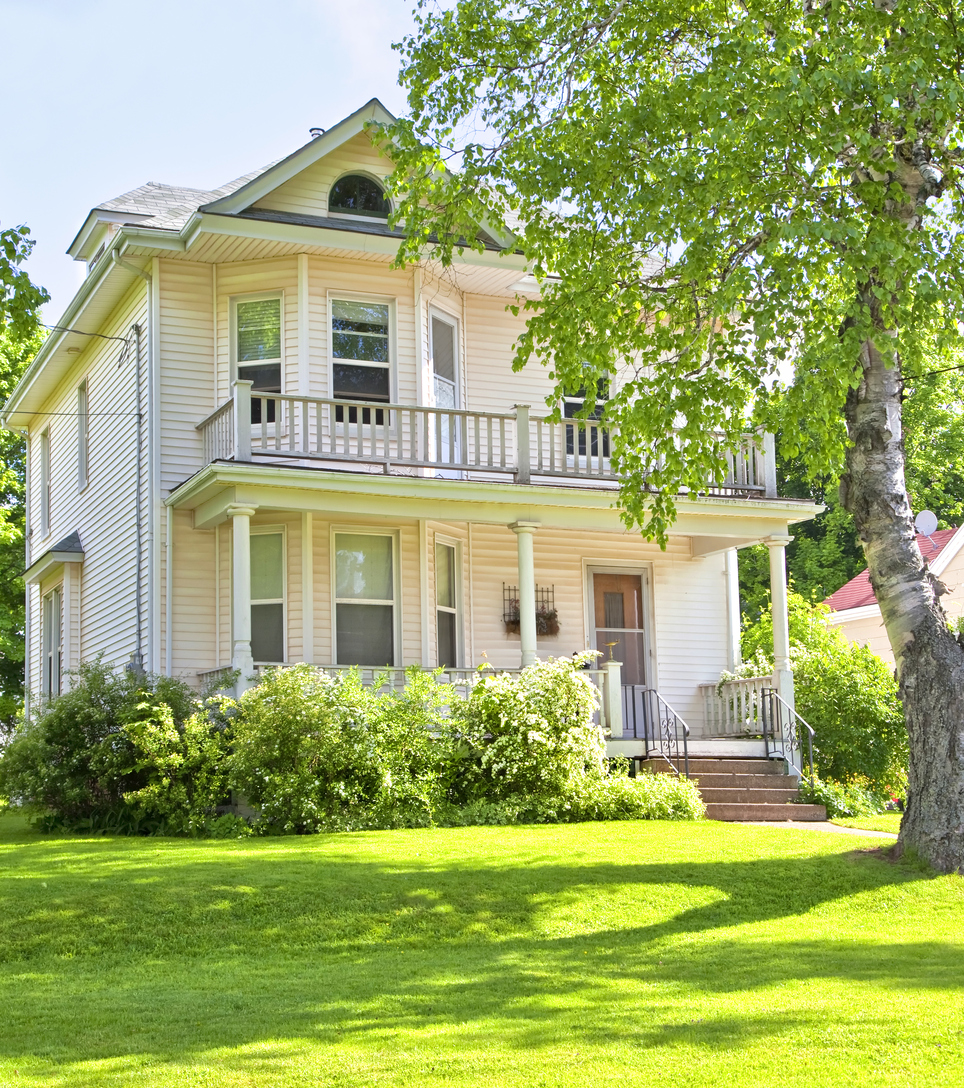
Buying an older home? These are the things you must do to make the "smart" property purchase...
The ever increasing demand for housing has opened the doors to looking at homes of all ages and styles. Older homes are a favorite among many buyers since most of them are listed at a lower value as compared to newer ones. However, the price should not be the only factor worth considering anytime you are planning to make a real estate transaction. For instance, you would want your purchased home to reflect your sense of style, location, and appeal. Again, the functionality of a property’s components is an aspect that should be considered, and that is where many older homes have to have many upgrades--furnace, air conditioner, water heater, roof---to name just a few. Failure to check out all the "big ticket" items could cause you to buy a house at a value that is overly inflated, and that is a situation you wouldn't want to encounter. Here are the most important things you must do anytime you are buying an older home.
Do through inspections on the property--Besides issues to do with space, aesthetic appeal, and location. Another important factor to consider when purchasing an older home is the kind of functionality it is expected to deliver. Properties with radon, bathroom drainage issues, poorly maintained lawns, broken window seals or windows that do not open and shut easily, and mold, can give potential buyers a lot of nightmares. Bringing the damaged or non-functional equipment to their full functionality is a task that requires considerable investment, and that can raise the value of an older home to unreasonable numbers. By carrying out inspections and assessing the damage on facilities such as kitchens, bathrooms, windows and doors, you can have a reasonable bargain that ensures that you don’t overpay for the given property.
Find out the motive why an older home may be placed on the market. What would you do with a property that is inconveniently located, has unmanageable maintenance costs, and is becoming more a liability than an asset as time passes? Sellers may not tell you the exact reason why they may have decided to sell their home since the truth may lower the value they hope to get. But you can find out the hidden truth if you take your time and thoroughly analyze the older home you are about to buy. That approach can save you from spending money on properties that can give a financial headache rather than the intended value appreciation.
Have some research on the property’s market price value and legal status
Realtors can run a comparative market analysis for you BEFORE you write an offer...You can compare the square footage, lot size, baths, bedrooms, number of garages, finished or unfinished basement and the price that the other homes sold for in the last six months in the town or area that you are looking in. You must be aware that property values do change, and having this knowledge can ensure that you only pay the right amount of money that represents the true value of the older property you have some interests in. After the inspections are all worked out, and appraiser is sent from the mortgage company or bank to assess the property and determine its value. Again, if you buy an older home at a low price, then be certain that aspects such as renovations can significantly raise its value. There has been a trend to living closer to town recently...People like walking to town, restaurants, shopping, and the local fairs and events...Values have been trending up for "in-town" living and also older homes backing to the river.